
How to Get the Most Out of an Ergonomist’s Mandate
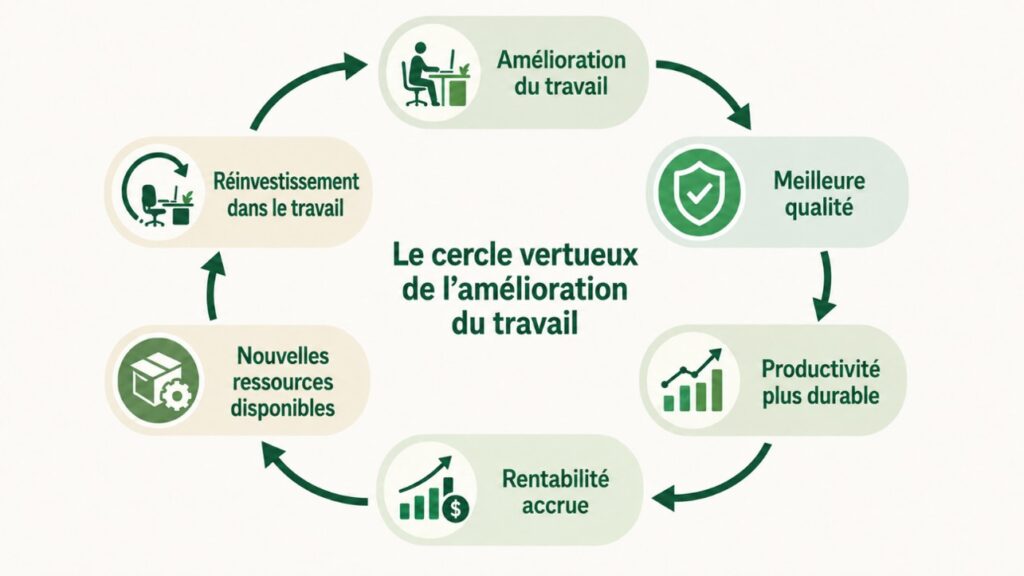
The benefits of ergonomics can be overlooked (or deliberately ignored).
The consequences of poor ergonomics, however, are impossible to miss.
This is the paradox of the ergonomist’s role within an organization. Ergonomists can help address several issues that are critical to organizational performance, yet they are often brought in too late and given such a narrow mandate that they can only address a small part of the problem.
Ergonomics Means Knowing How to Paddle Upstream

It is possible to overlook (or choose to overlook) the benefits of ergonomics. However, it is impossible not to notice the consequences of poor ergonomics.
This is the paradox of how ergonomists are perceived within organizations. Ergonomists can contribute significantly to the organizations that hire them, yet they are often brought in under mandates that severely limit what they can accomplish.
So, how can organizations get the most out of an ergonomist?
The simple answer is to understand what ergonomists can do, develop the mandate with them, and involve them at the right time.
This five minute read will help you better define (or redefine) the ergonomist’s role and understand how they can support what matters most to your organization.
Ergonomic risk management – Don’t be seduced by easy solutions: the importance of prioritizing the right ergonomic actions
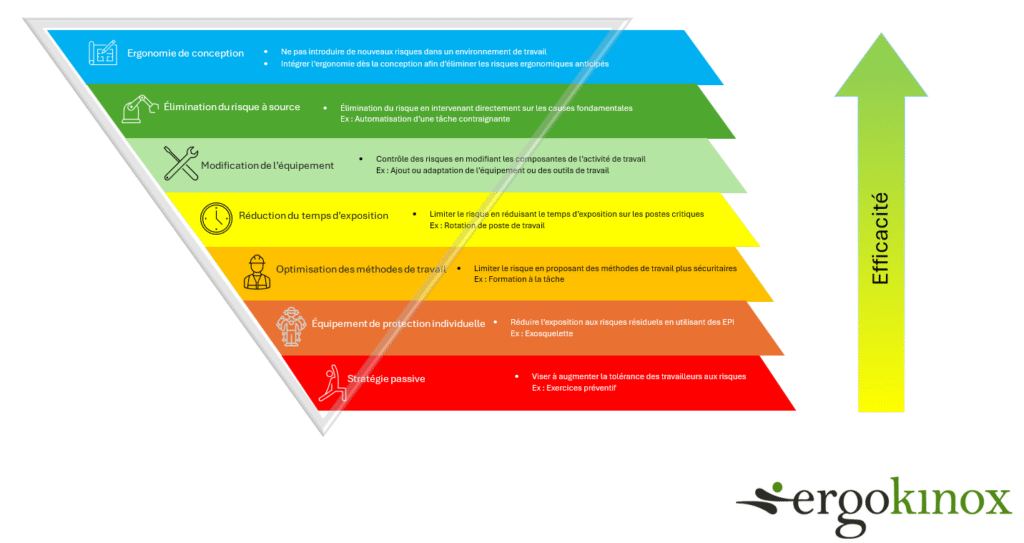
“If it seems too easy to set up… there’s a risk it won’t work.”
It’s a reality we often face in the field. As ergonomists, we see that too many company interventions are based on actions that appear simple, but have a limited impact on risk reduction.
Why are exoskeletons so popular?
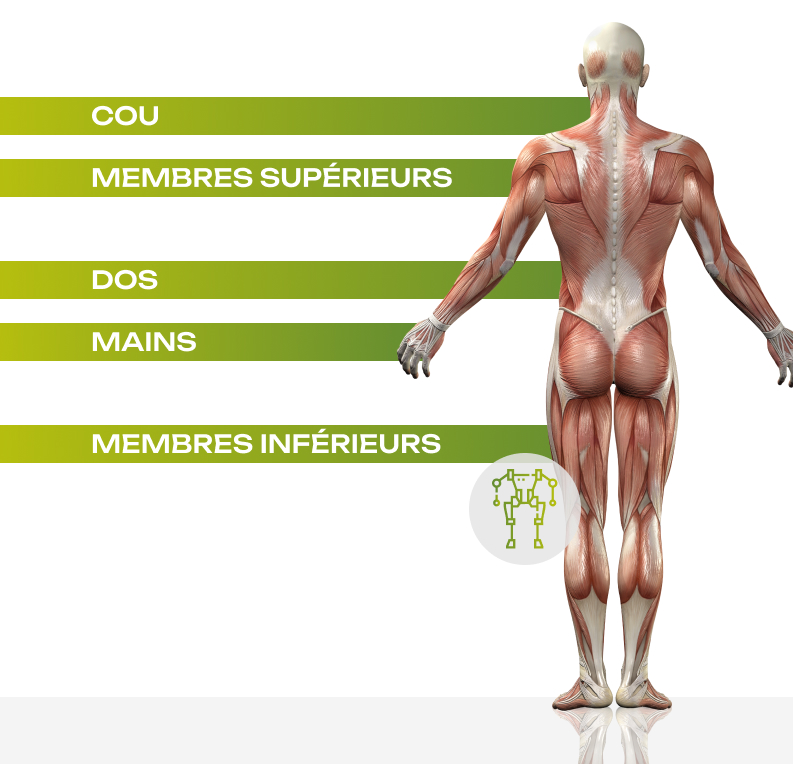
Faced with labor shortages and aging workers, exoskeletons are gaining ground in Quebec companies. Less costly than robotization and full automation, they offer physical support that can prevent injury and prolong working life. But for them to be effective, they need to be well chosen, well integrated, and used as part of a structured preventive approach. Not as a tool to increase productivity at any cost.
Combating disengagement through participatory ergonomics
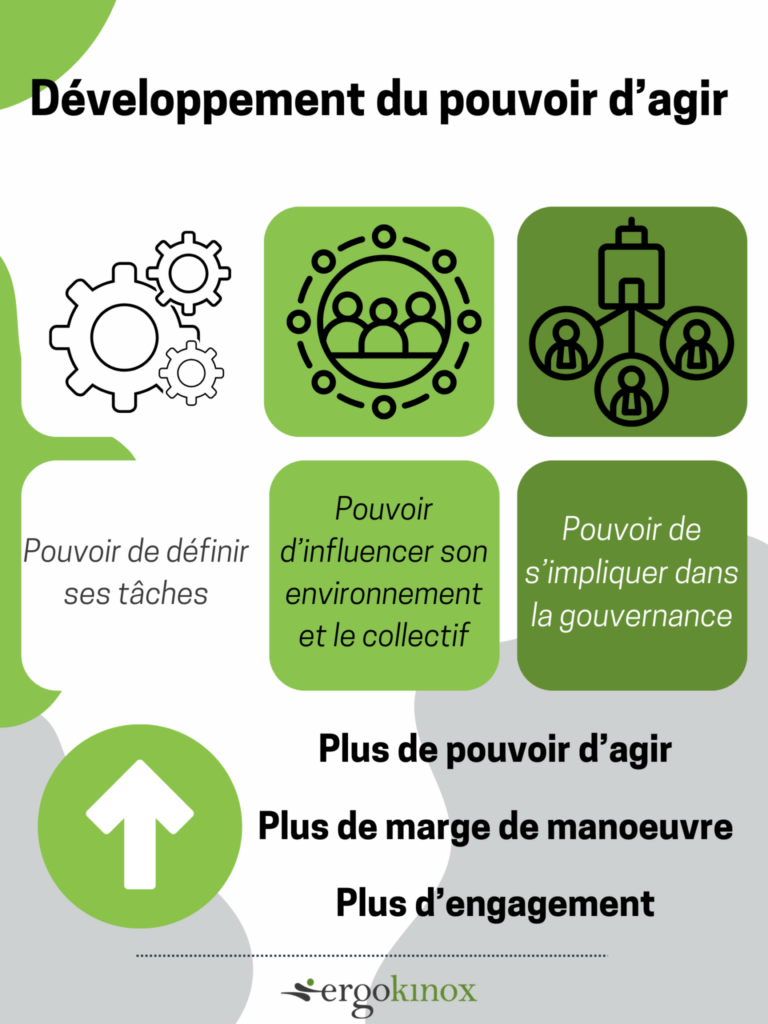
Eighty-one thousand three hundred and ninety-six (81,396) hours. That’s how much time most of us spend working. The only thing we spend more time on is sleeping. The latest “State of the Global Workplace” report from the Gallup Institute reveals that six (6) out of ten (10) people consider themselves “emotionally detached” at work, while 18% are simply unhappy.
MSD event data: a misleading indicator for workplace prevention
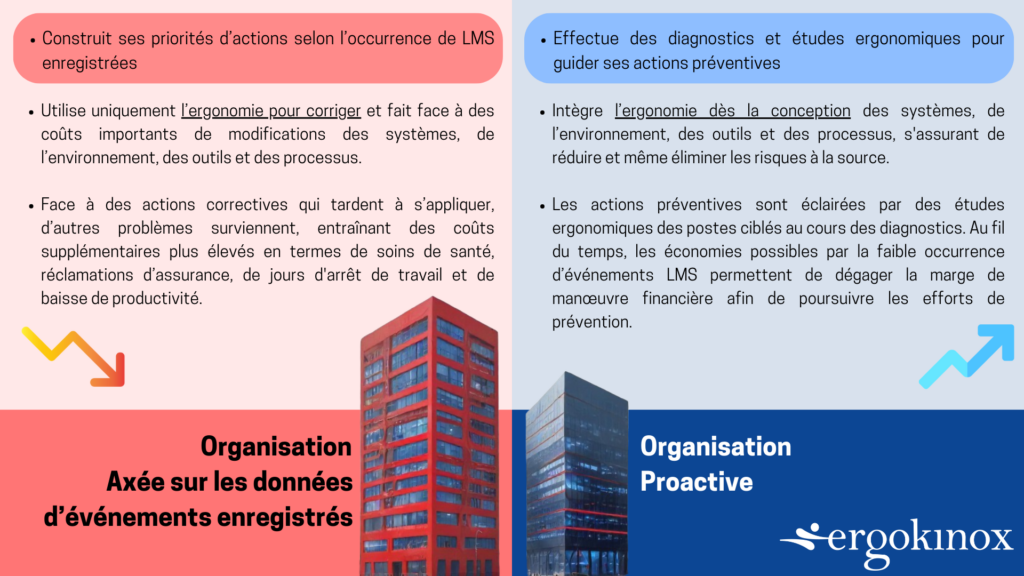
For most occupational health and safety departments within organizations, recorded event data is a compass for identifying critical positions requiring intervention.
Ergonomic indicators in the workplace
The absence of accepted claims for musculoskeletal injuries is not proof that a workstation does not present ergonomic issues.
Ergonomics and labor shortage
Every day, our customers talk to us about the many issues associated with labor shortages. Integrating ergonomics into your production issues can help you reduce the impact of labor shortages. Here’s a summary of the positive impacts of ergonomic intervention on labor shortages.
Looking at screens : their effects on the eyes

Telecommuting brings its share of benefits for workers. However, it also increases the amount of time spent in front of screens. To compensate, workers are developing new habits to reduce eyestrain. Some use glasses to reduce exposure to blue light.
Integrating ergonomics into a hybrid working model

The pandemic has considerably accelerated the reflection on the organizational issues related to the management of teleworking. In the coming months, companies will be well advised to put in place a specific policy for the return to work in a post-pandemic context. Due to the proven benefits of teleworking, several organizations are considering integrating a hybrid working model.